Rocketry Team

From low-power flights to liquid propulsion, HUAC Rocketry gives students hands-on experience designing, building, testing, and launching aerospace systems.

2027 IREC · 10K COTS

King Crimson

King Crimson is HUAC’s first IREC entry: a single-stage, commercial off-the-shelf (COTS) rocket designed for a 10,000-foot competition flight using an AeroTech M2500T motor.

The team has completed 25 launches to date, including 19 low-power and six high-power flights. This category builds on that experience while bringing together vehicle integration, recovery, payload testing, and competition operations.
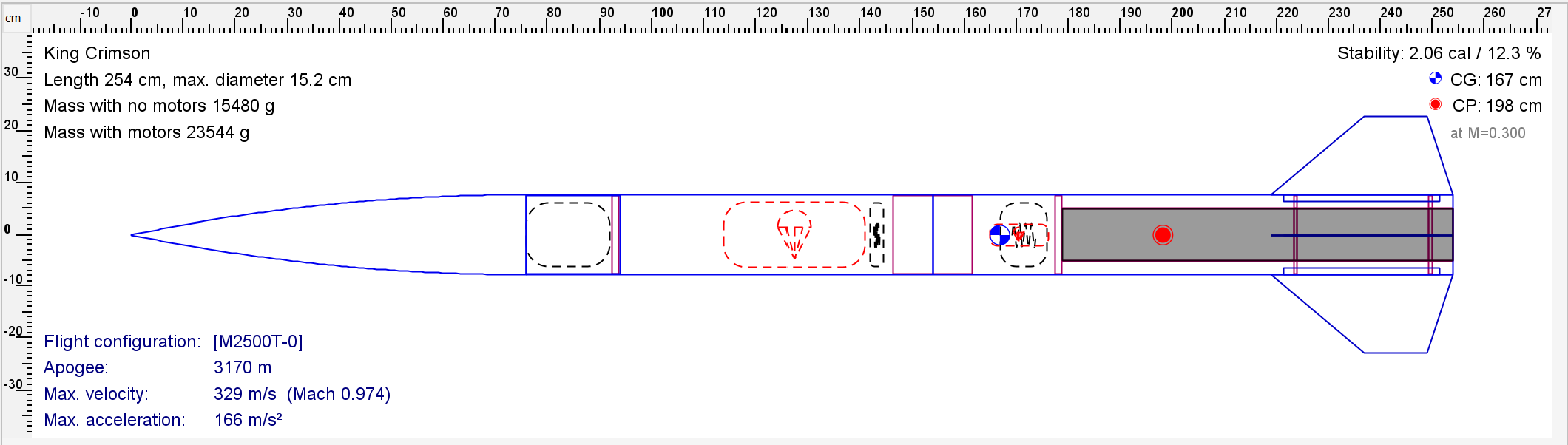
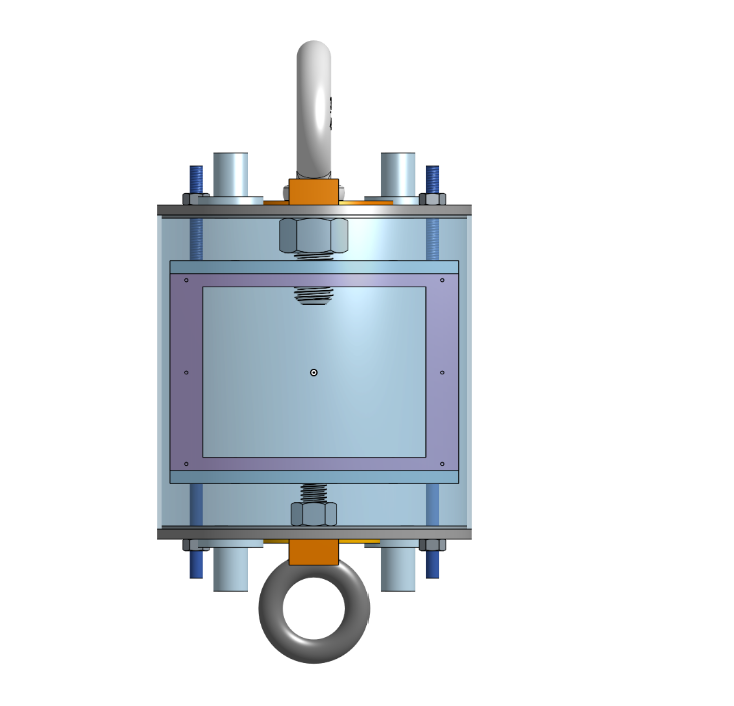
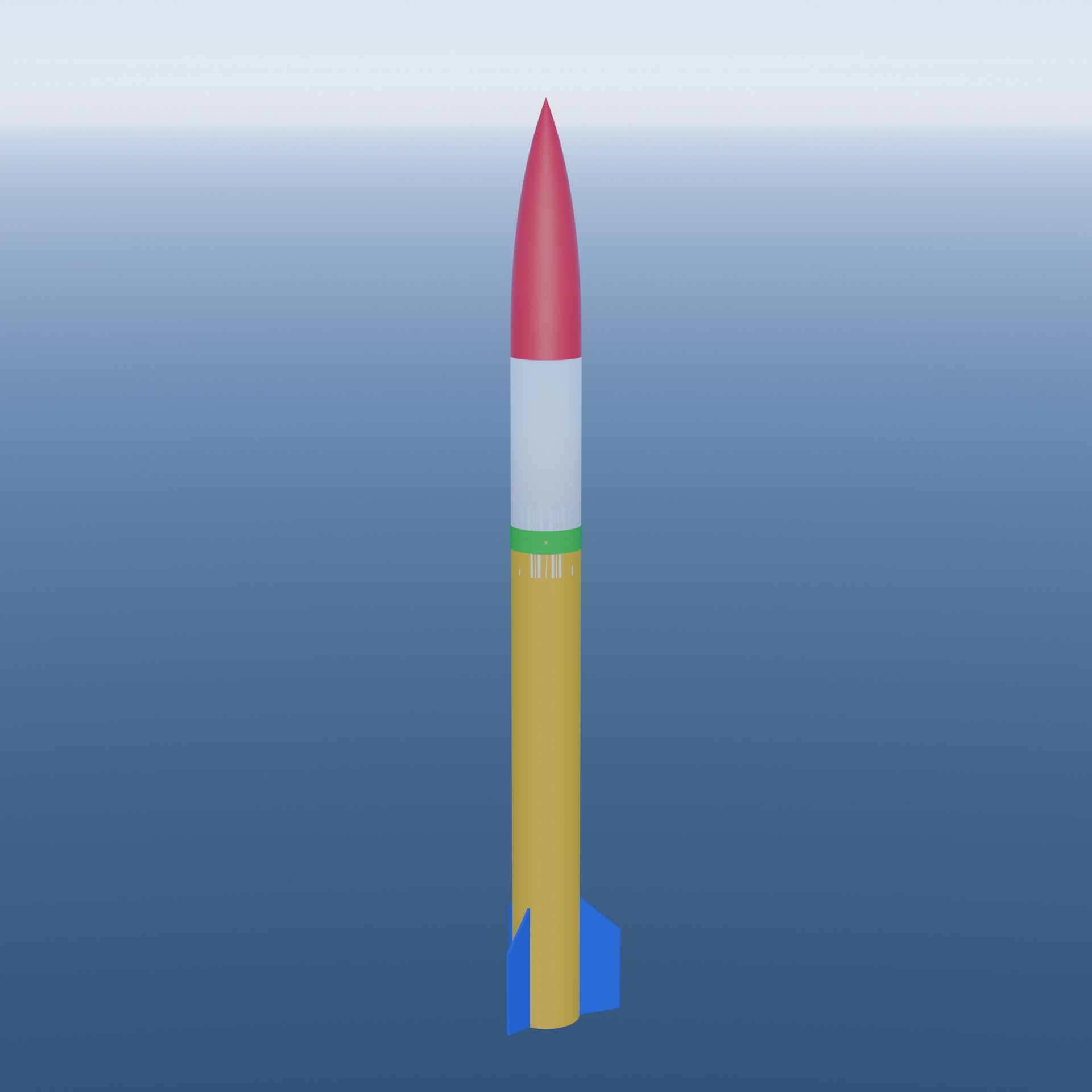
OpenRocket design and simulated flight summary for King Crimson

Vehicle and simulation

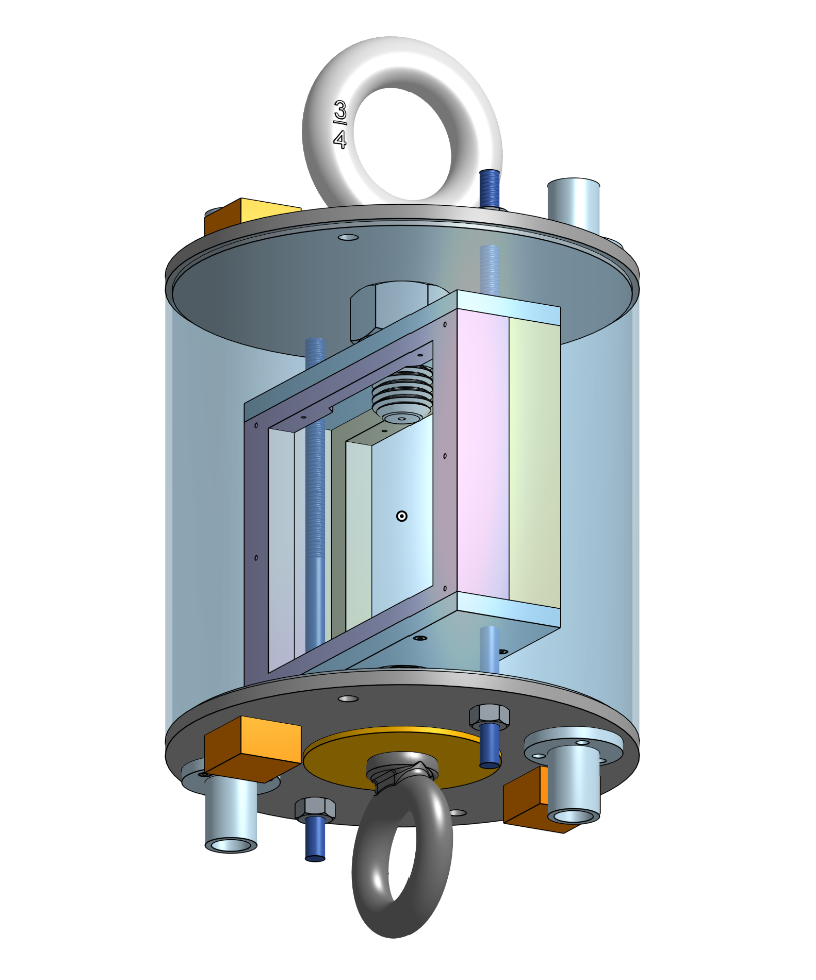
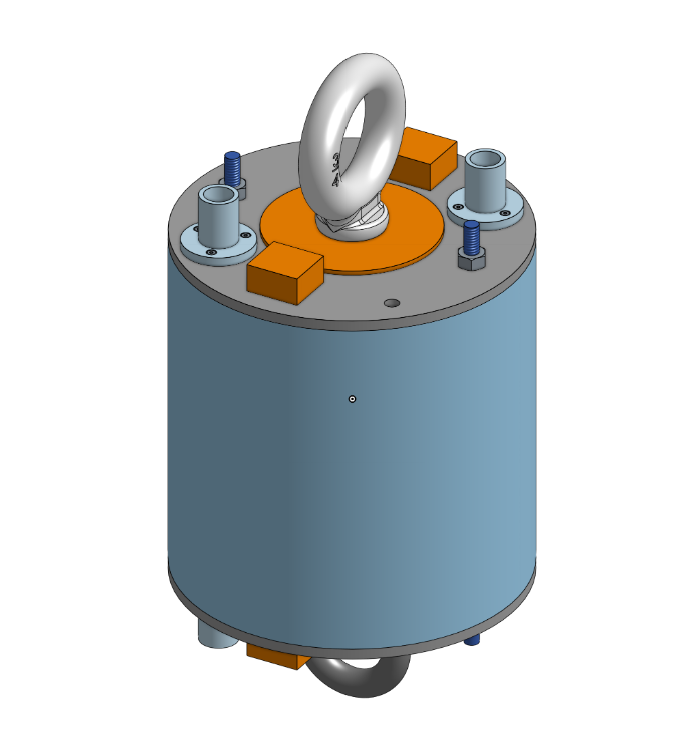
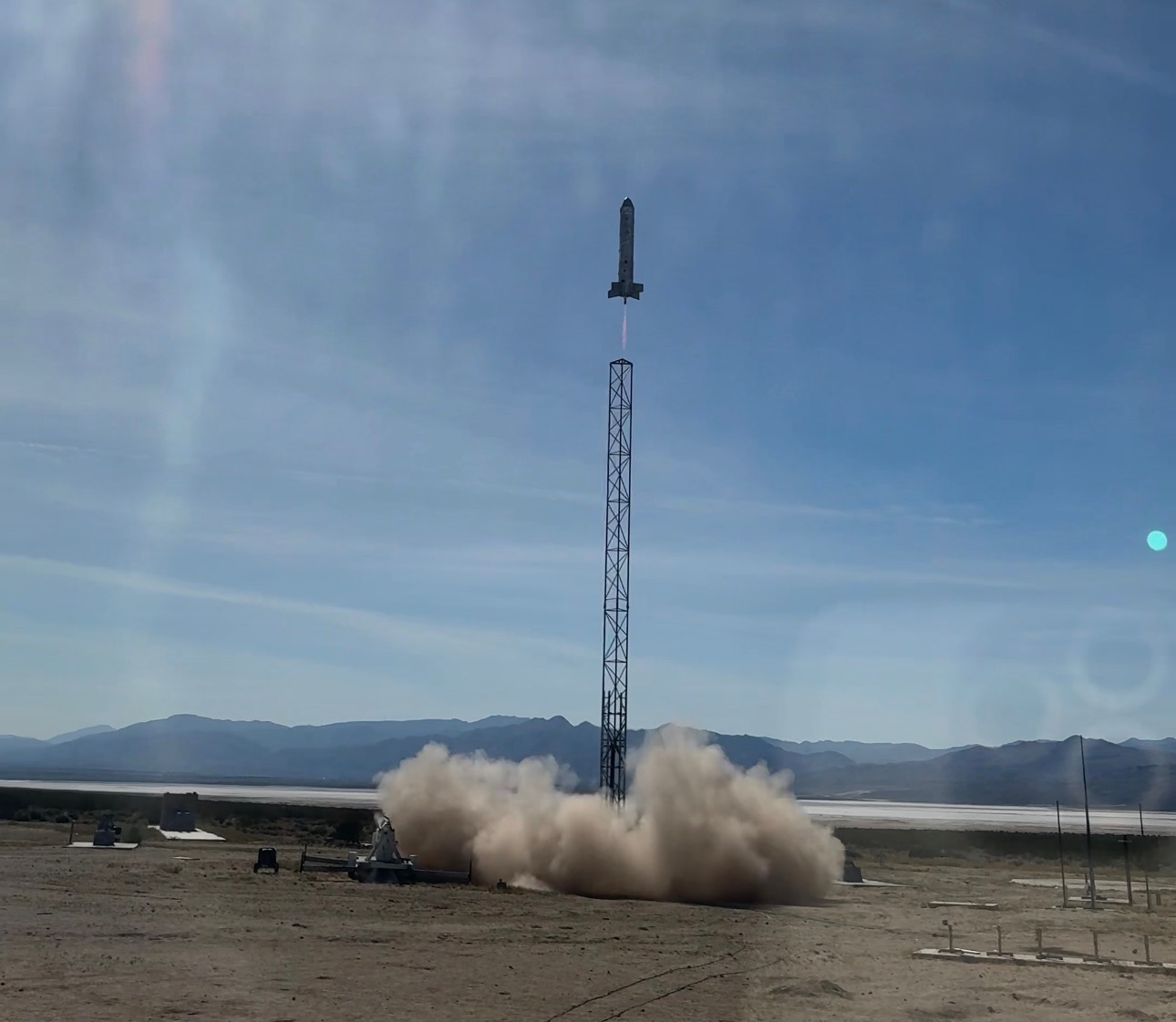
A 10K flight with a research payload onboard

The current design is 2.54 m long and 152.4 mm in diameter. OpenRocket models a 10,400 ft apogee, about 329 m/s peak speed, and 23.5 seconds to apogee. These are simulation results, not flight measurements; the team plans to update the model as the vehicle is assembled and measured.

Competition target
10,000 ft
Modeled apogee
10,400 ft
Vehicle length
2.54 m
Airframe diameter
152.4 mm
Peak simulated speed
329 m/s
Payload form factor
2U CubeSat

Research payload

Can cell-free protein synthesis survive launch?

The roughly 2.1 kg, 2U-form-factor payload studies whether a cell-free protein synthesis (CFPS) reaction can operate after the vibration and acceleration of launch. It uses freeze-dried E. coli extract with no living cells.

Six sealed chambers compare rigid mounting with a TPU vibration-isolating lattice. Sensors record fluorescence, acceleration, and temperature through flight and recovery, with a matching ground-control unit for comparison.

Recovery and avionics

Three stages, with redundant deployment

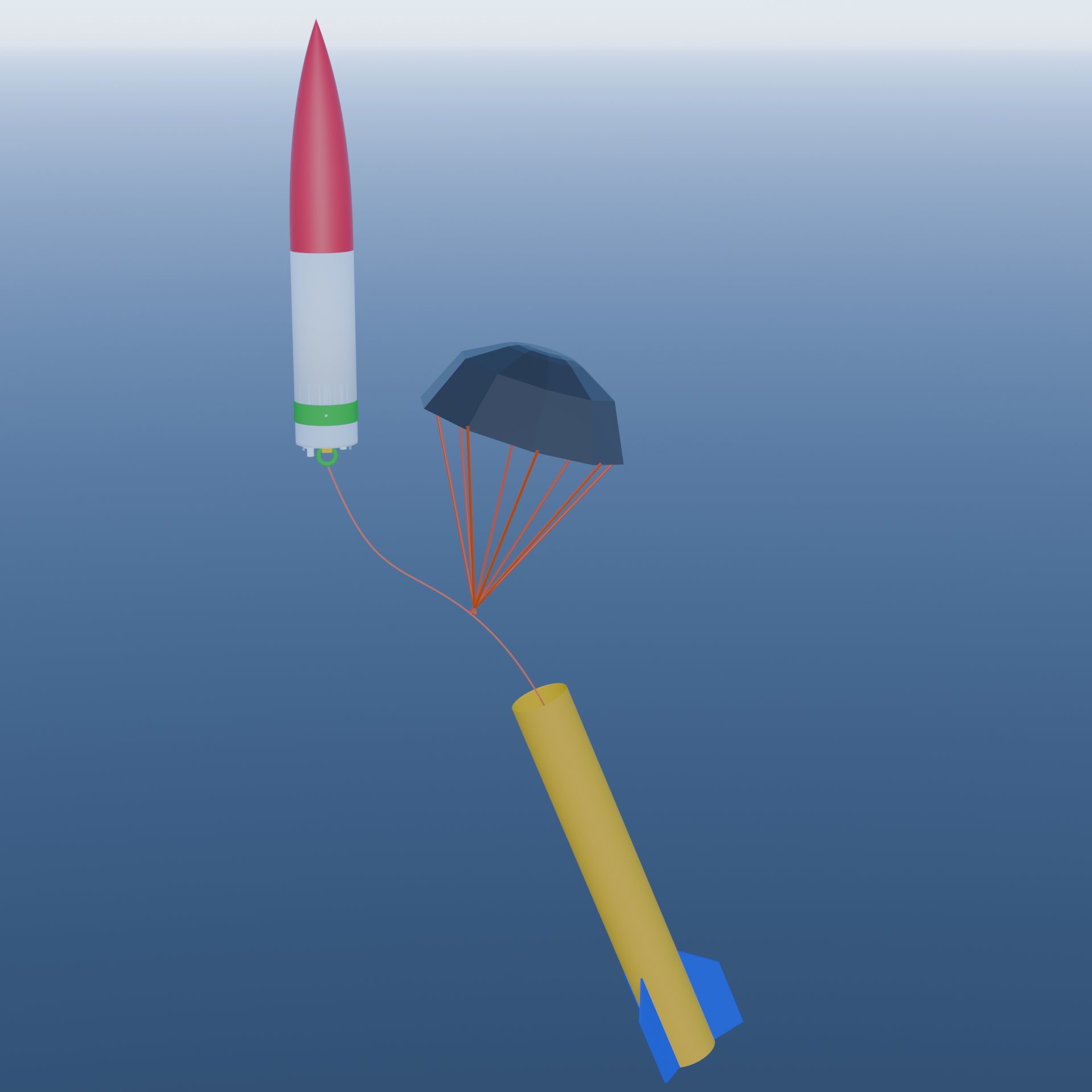
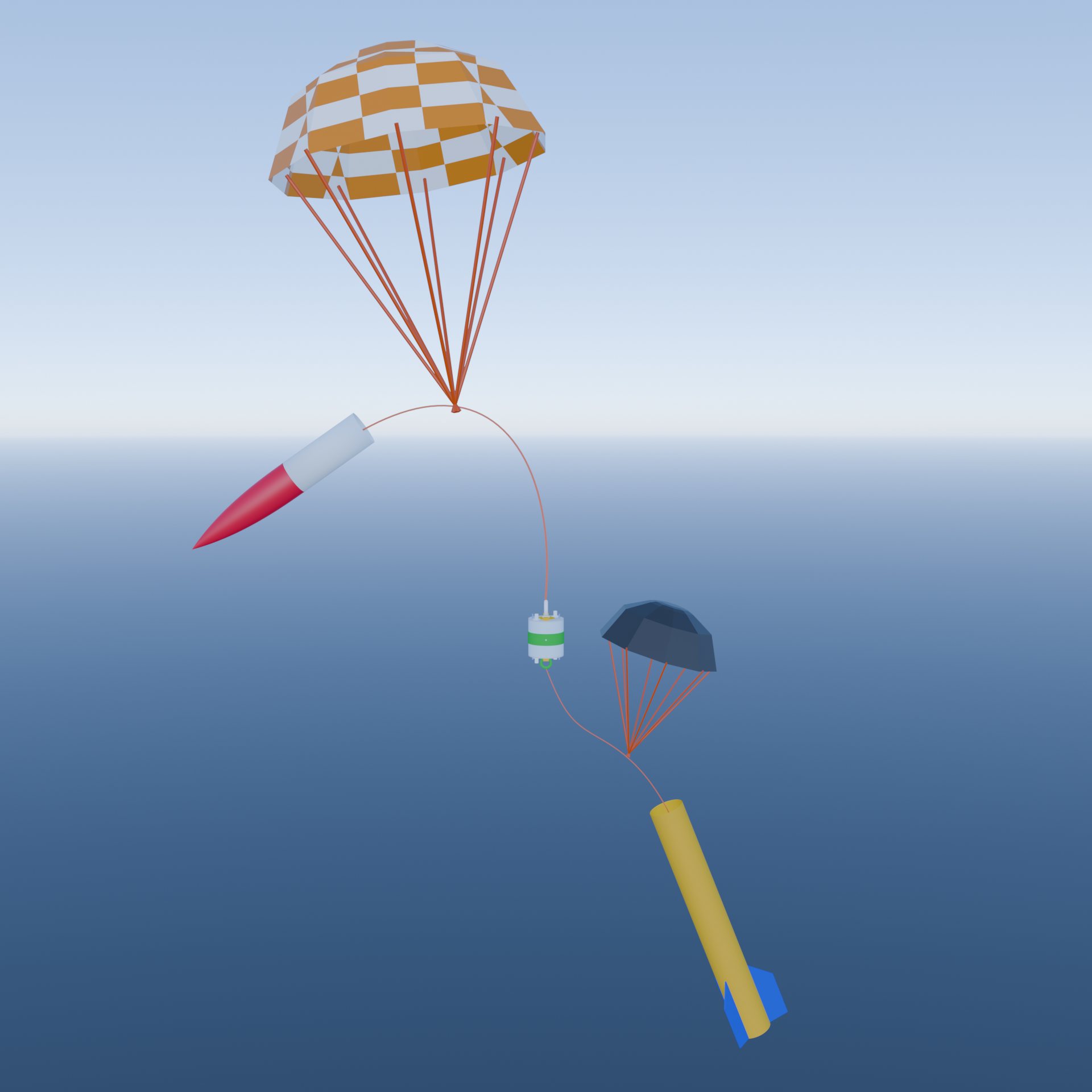
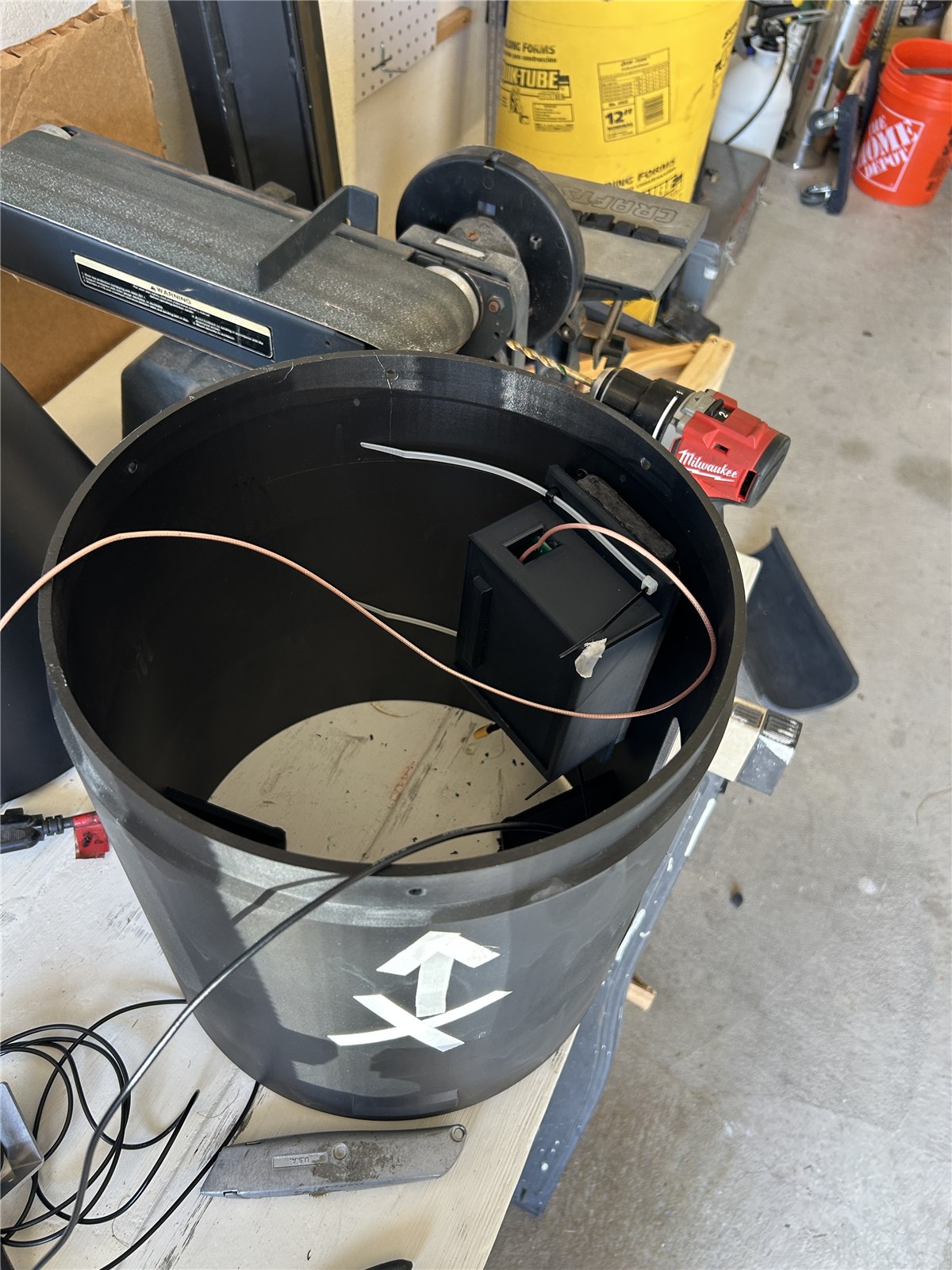
The planned flight sequence is ascent, drogue descent after apogee, then main-parachute descent near 1,500 ft above ground. The recovery concept keeps the vehicle sections tethered together for landing and recovery.

A student-developed flight computer is planned as the primary controller, with an independent commercial altimeter as backup. The team’s ground tests and shakedown flights are intended to validate the integrated recovery system before qualification.

Target schedule · weather and launch-site dependent

From subscale tests to competition configuration

  1. Oct–Nov 2026

    Procure components, build the subscale recovery demonstration, and complete ground checks.

  2. Nov 2026

    Fly the subscale vehicle to demonstrate the deployment sequence, then review flight data and revise the design.

  3. Dec 2026–Jan 2027

    Complete full-scale assembly and ground testing; target a full-scale shakedown flight in Arizona in January.

  4. Feb 2027

    Reserve an additional development flight if weather, launch access, or test findings require it.

  5. Mar 2027

    Complete remaining system checks and a qualification flight in the intended competition configuration.

  6. Late Mar–Apr 2027

    Keep a contingency reflight window and compile the final flight-test report.

Radio link
433 MHz LoRa
Update rate
About 2–4 Hz
Documented range
3–5 km, open line of sight

Onboard sensing

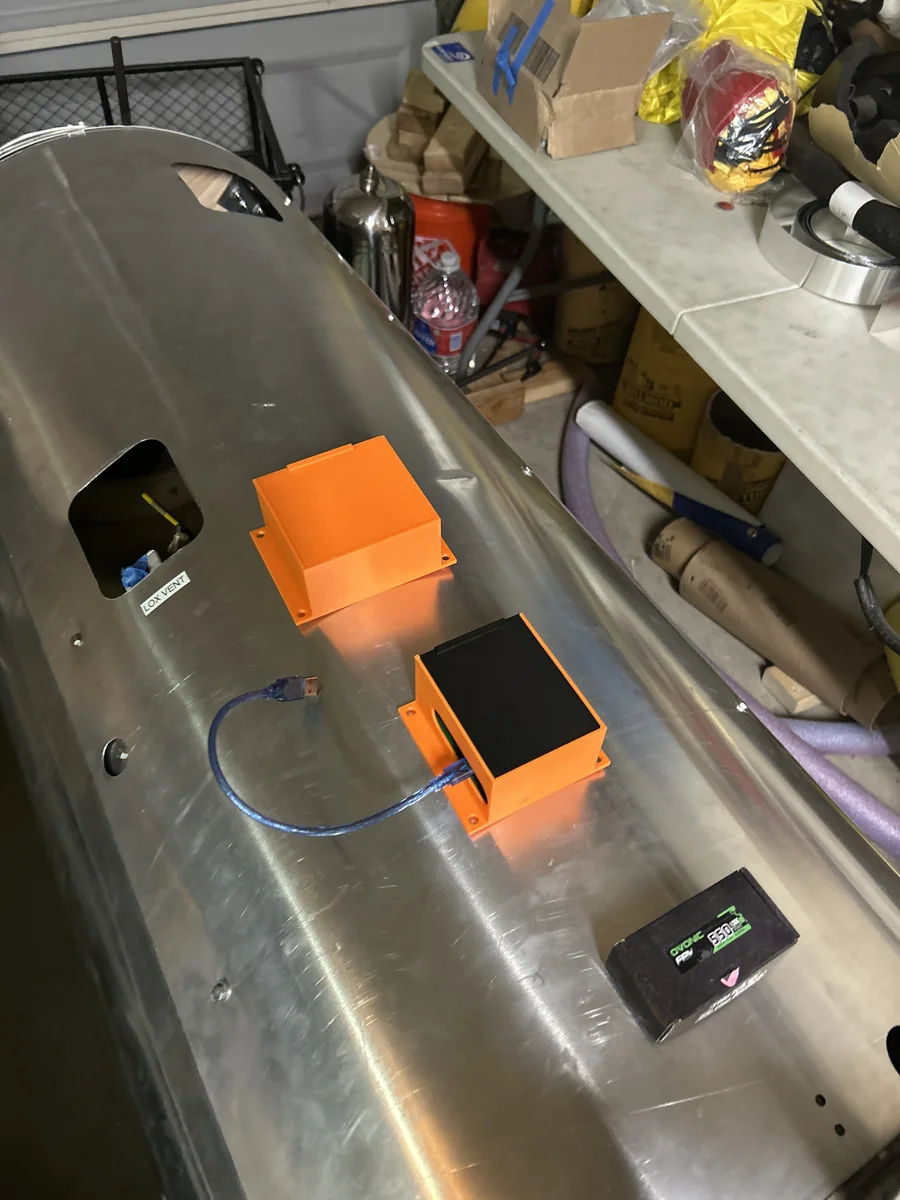
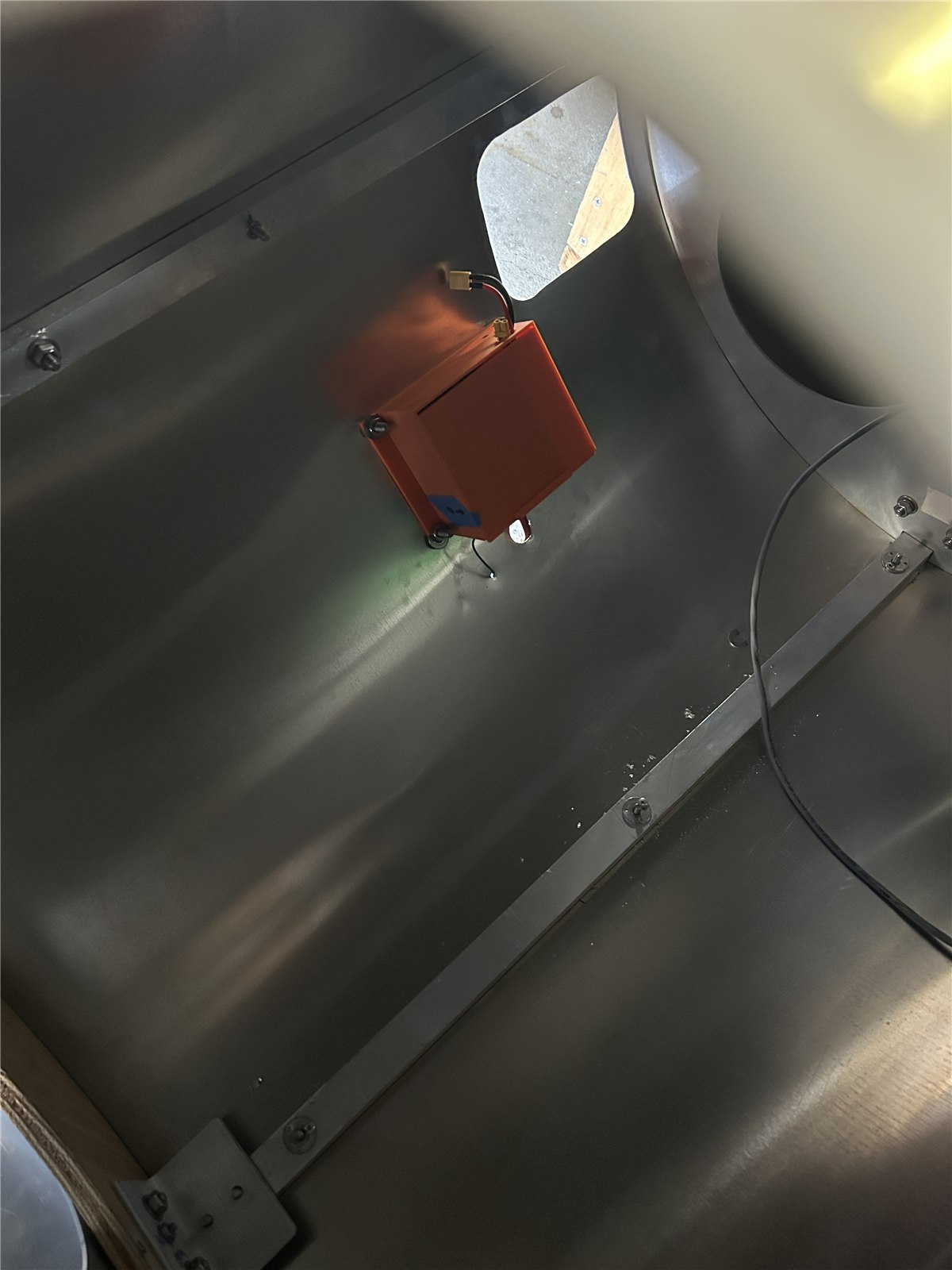
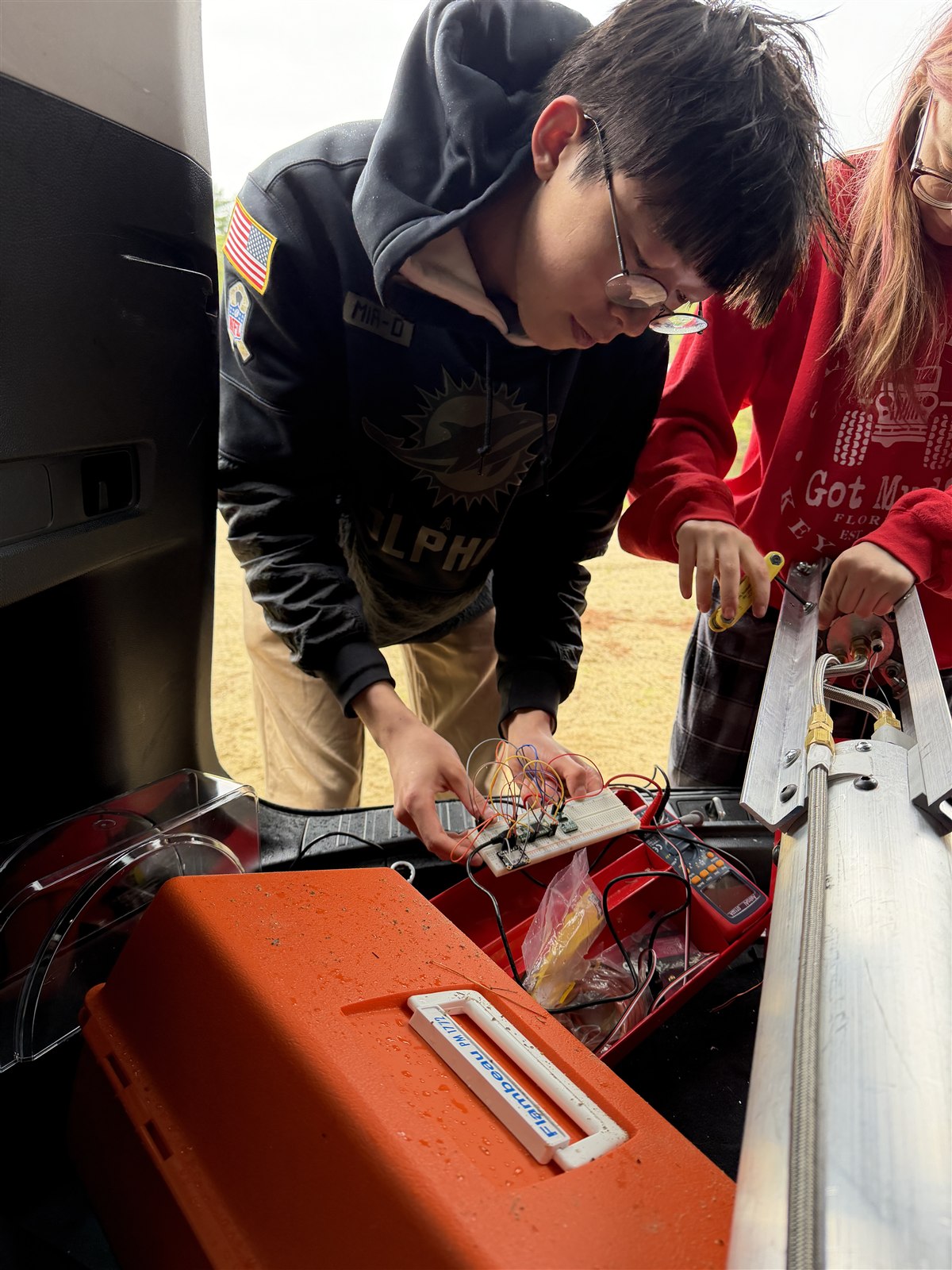
An ESP32-S3 flight board combines an ICM20649 inertial measurement unit, M100 Mini GPS, and RFM96W radio. Packets carry position, altitude, three-axis acceleration and angular velocity, and estimated roll, pitch, and yaw.

Ground-station viewer

A matching ESP32-S3 receiver connects to a laptop over USB. The telemetry viewer displays a live 3D orientation model, sensor readouts, signal strength, and packet rate. A separate map plots GPS position and the flight path once the receiver has a fix.

Flight-data logging

The ground station saves received packets to numbered CSV files on its SD card. Timestamps, packet counts, radio-link quality, GPS, and inertial measurements support flight reconstruction and post-flight analysis.

Range and update rate depend on configuration and environmental conditions.
Liquid propulsion

Forward Unto Dawn

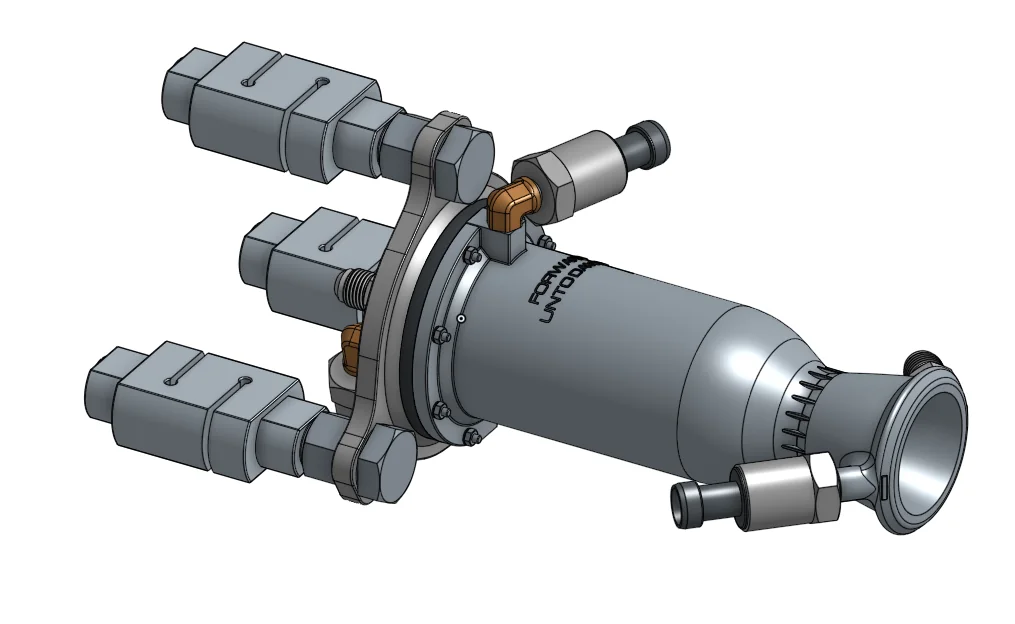
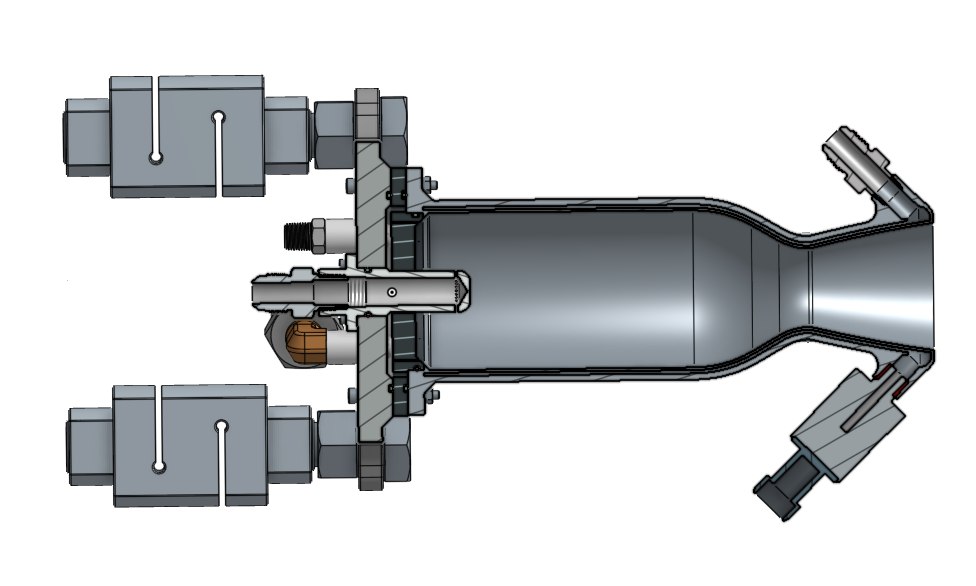
FUD-1, Forward Unto Dawn, is a 250-lbf liquid rocket engine designed for ground testing. It pairs nitrous oxide with a 90/10 ethanol-water fuel blend and uses fuel flowing through the chamber wall to carry heat away before injection.

Led by designer Nicholas Bondar, the project brings together combustion analysis, cooling design, injector machining, and test-stand development. The design passed external review in August 2026 and is being prepared for printing.

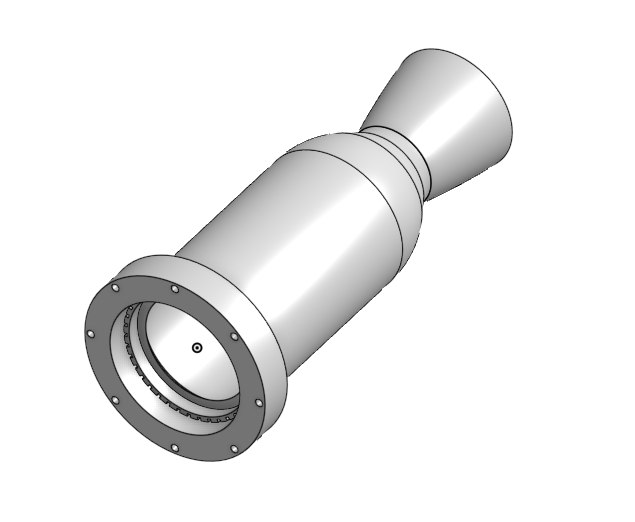
Forward Unto Dawn combustion chamber CAD rendering

Designing a reusable ground-test engine

Design thrust
250 lbf at sea level
Design chamber pressure
200 psia
Propellants
Nitrous oxide / ethanol-water
Chamber material
3D-printed 316L stainless steel
Cooling
38 axial channels + film cooling
Planned first firing
2 seconds

Analysis before hardware

NASA CEA combustion studies and a sizing spreadsheet establish the engine geometry, with Rocket Propulsion Analysis used to check performance and cooling. The design uses a fuel-rich mixture to balance performance with the chamber's thermal requirements. These are design predictions awaiting test validation.
Cooling and manufacturing

The chamber and nozzle are designed as one laser powder bed fusion part with integrated cooling passages. An oxidizer-centered pintle injector is machined separately. External review led to channel-corner fillets and clamping features for post-machining; injector hardware has already been machined.

Development and verification

The planned program progresses from cold-flow checks to an initial two-second firing, then longer firings as results support them. Cooling-channel inspection, injector alignment, and potential coolant boiling remain development priorities before hot-fire testing.

Liquid rocket vehicle

Mojave Sphinx

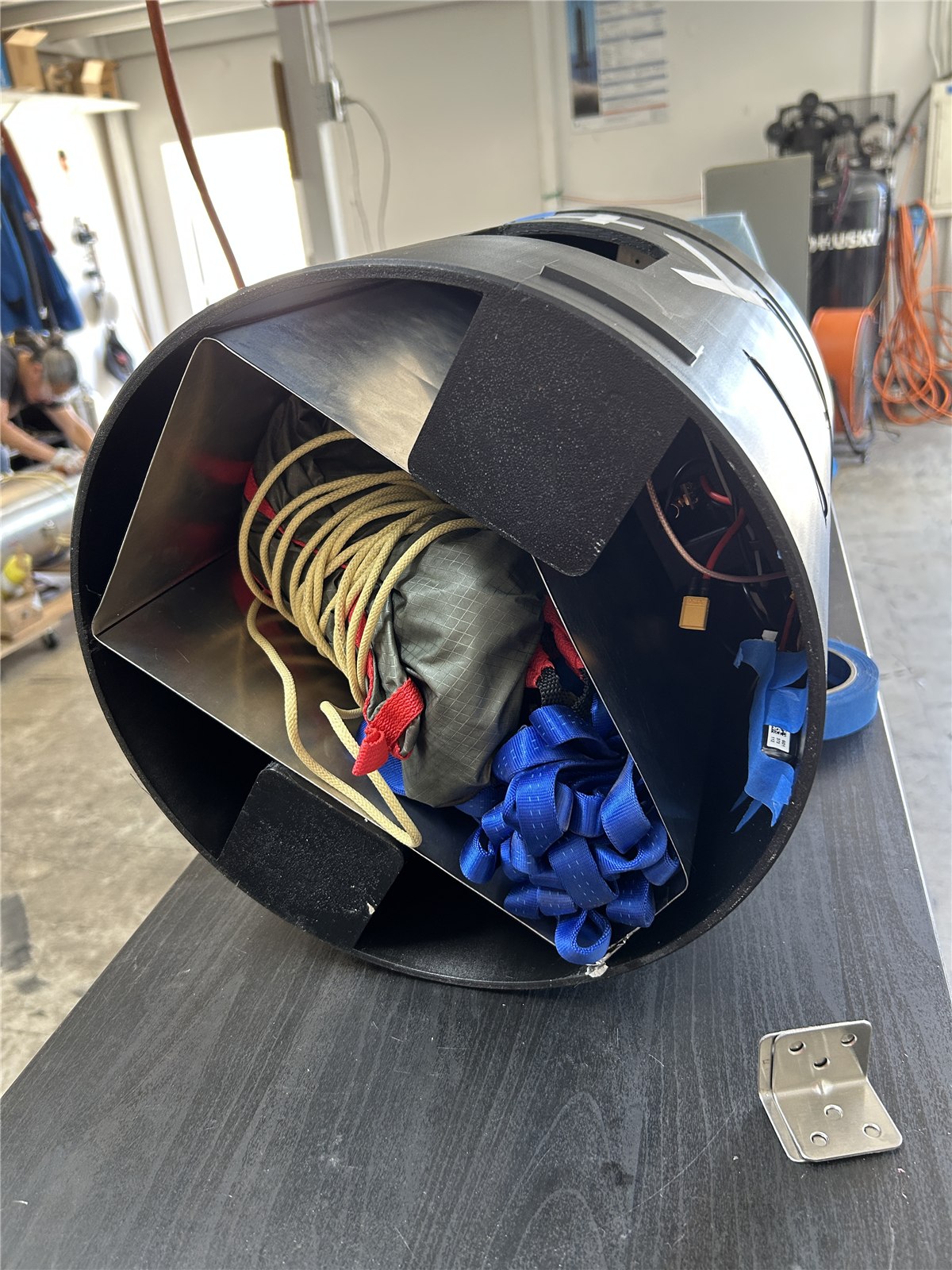
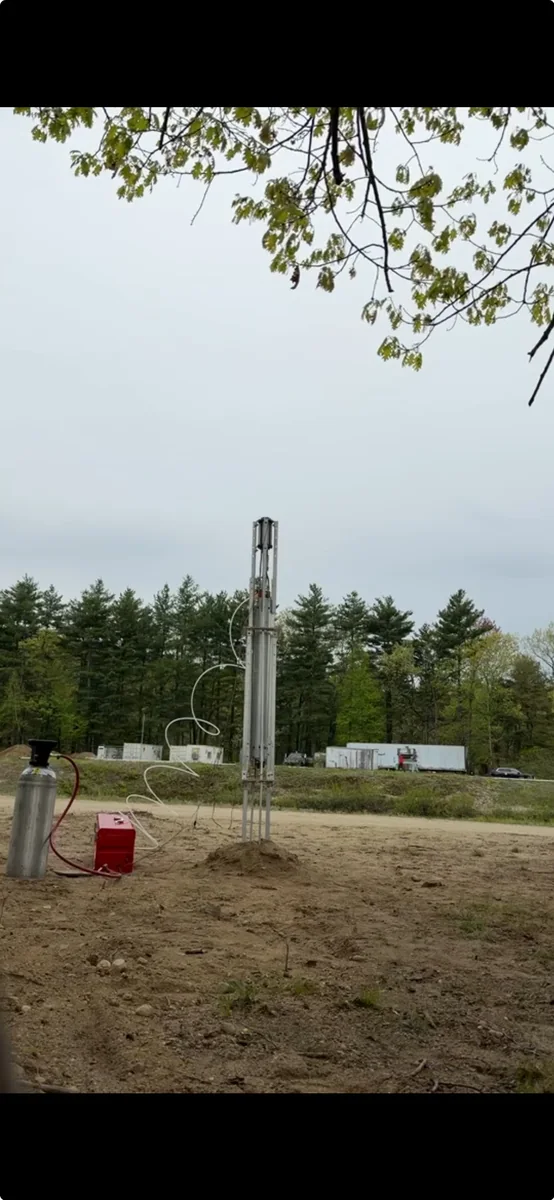
Mojave Sphinx is HUAC-R's implementation of Half Cat Rocketry's open-source HCR-5100 liquid-bipropellant rocket. The team manufactured and assembled the reference design, integrating tanks, valves, engine hardware, and avionics to build experience in liquid propulsion.

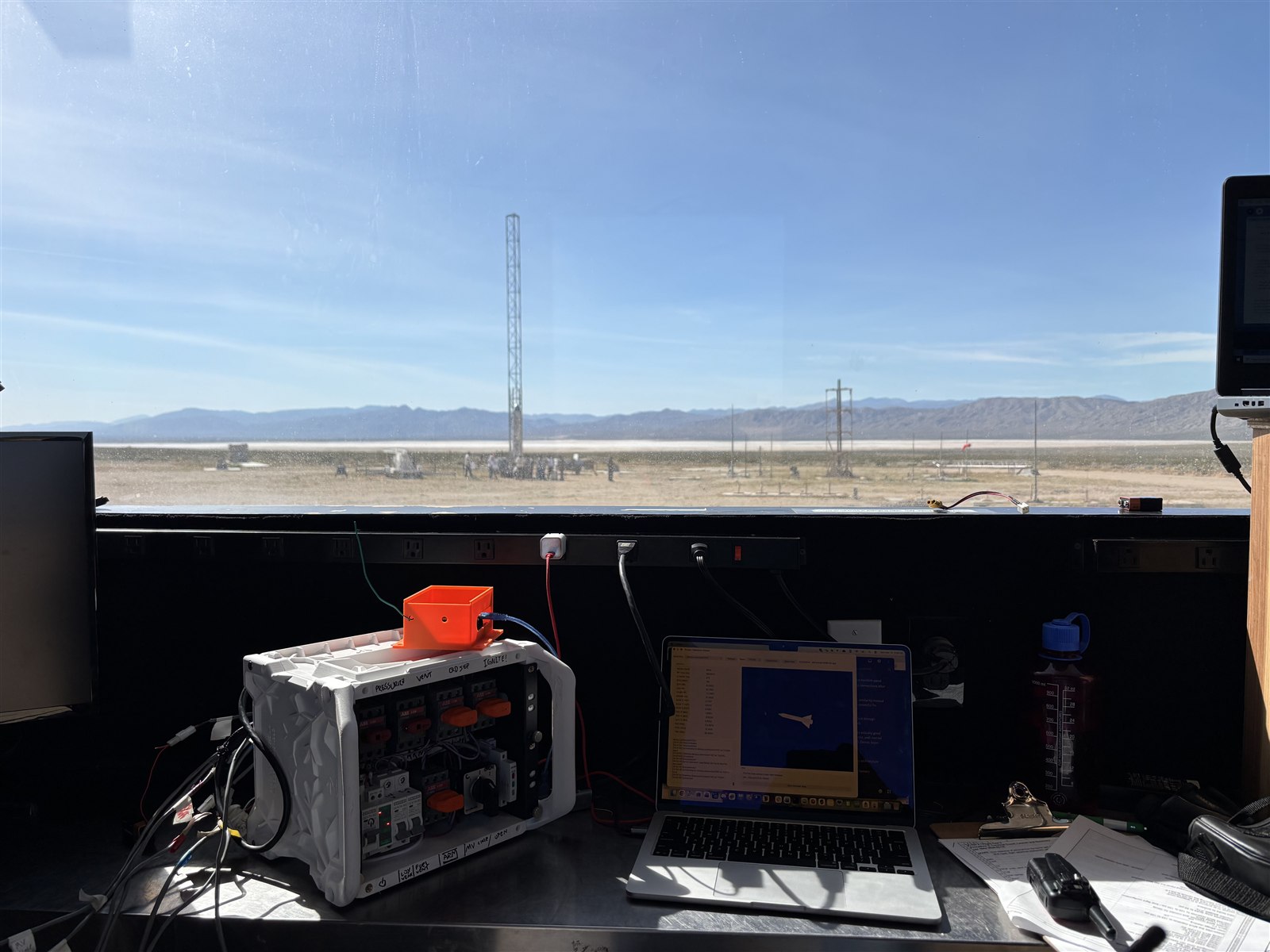
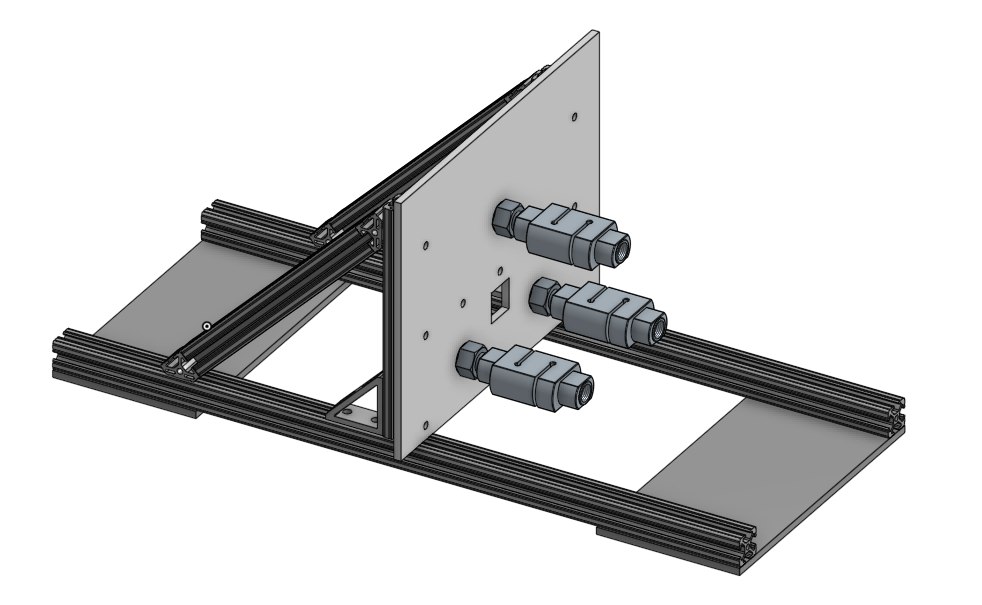
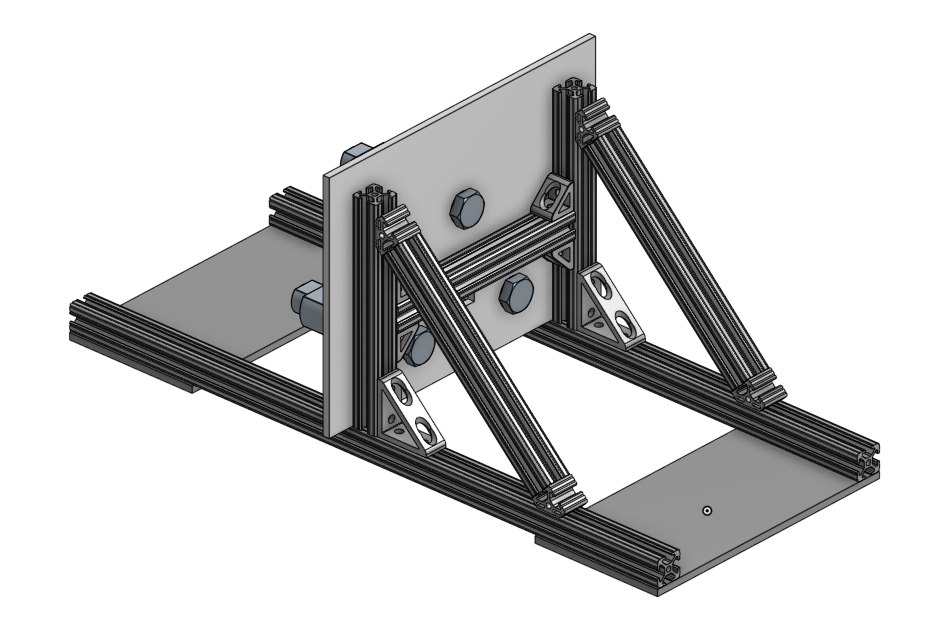
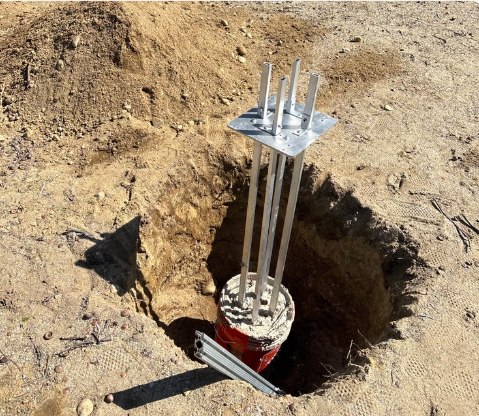
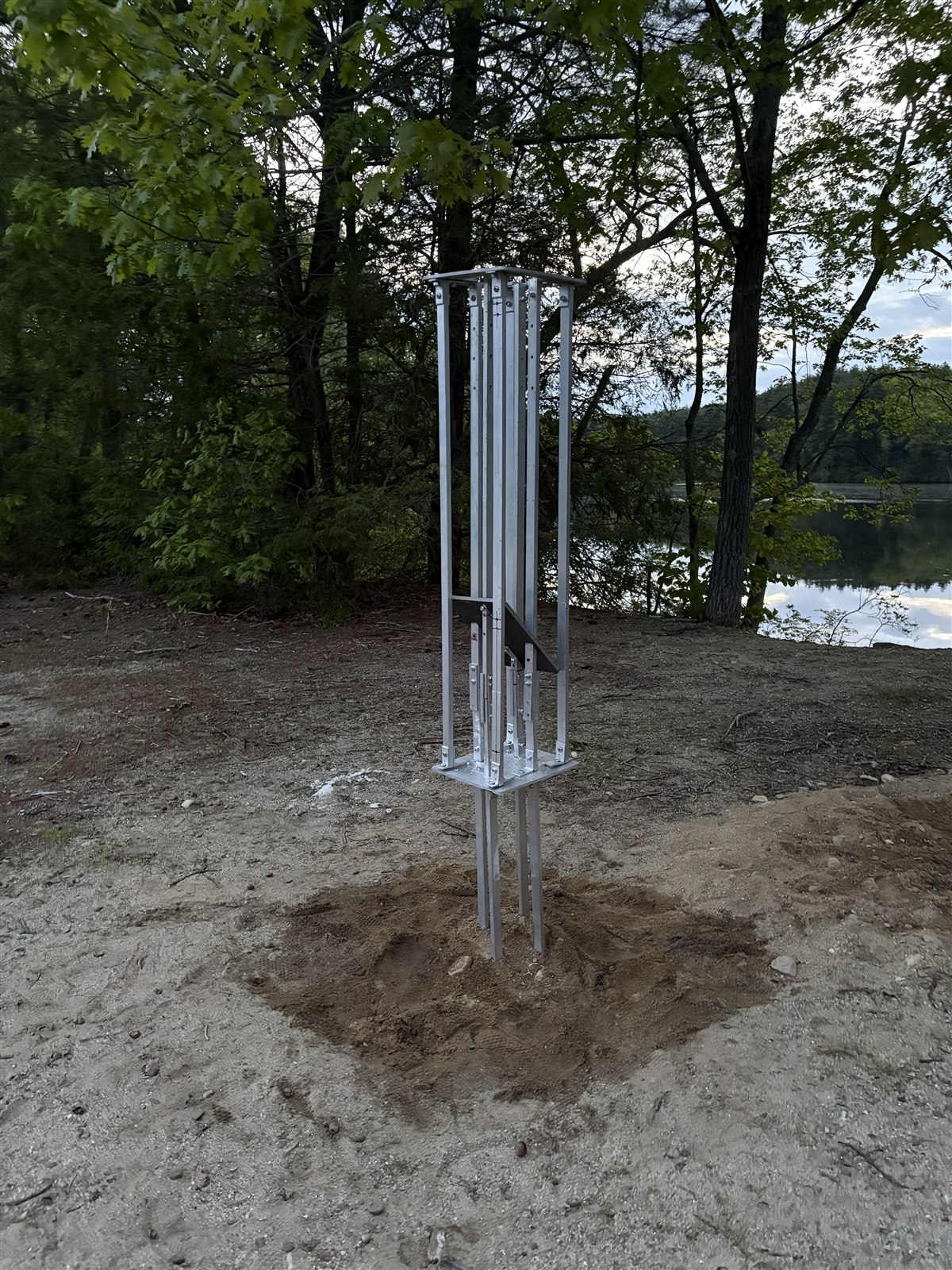
HUAC-R also fabricated and installed a dedicated static-fire test stand. Bringing the vehicle together gave members practical experience with machining, seals, fluid-system fittings, and mechanical and electrical interfaces.

The initial static-fire attempt was unsuccessful because of fluid-system and sealing issues. The team is developing cold-flow characterization and planning instrumentation to check system behavior before corrective work and another static-fire campaign.

Mojave Sphinx rocket installed in its test stand

Onboarding · Design, build, fly

Onboarding & Low Power Rocketry

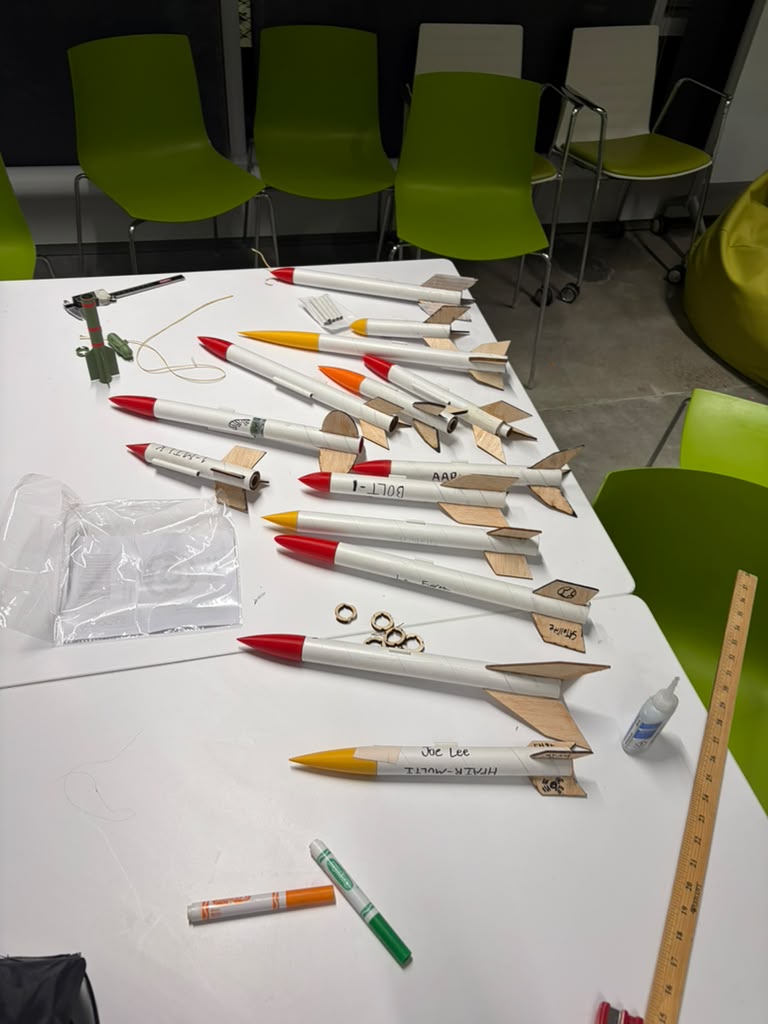
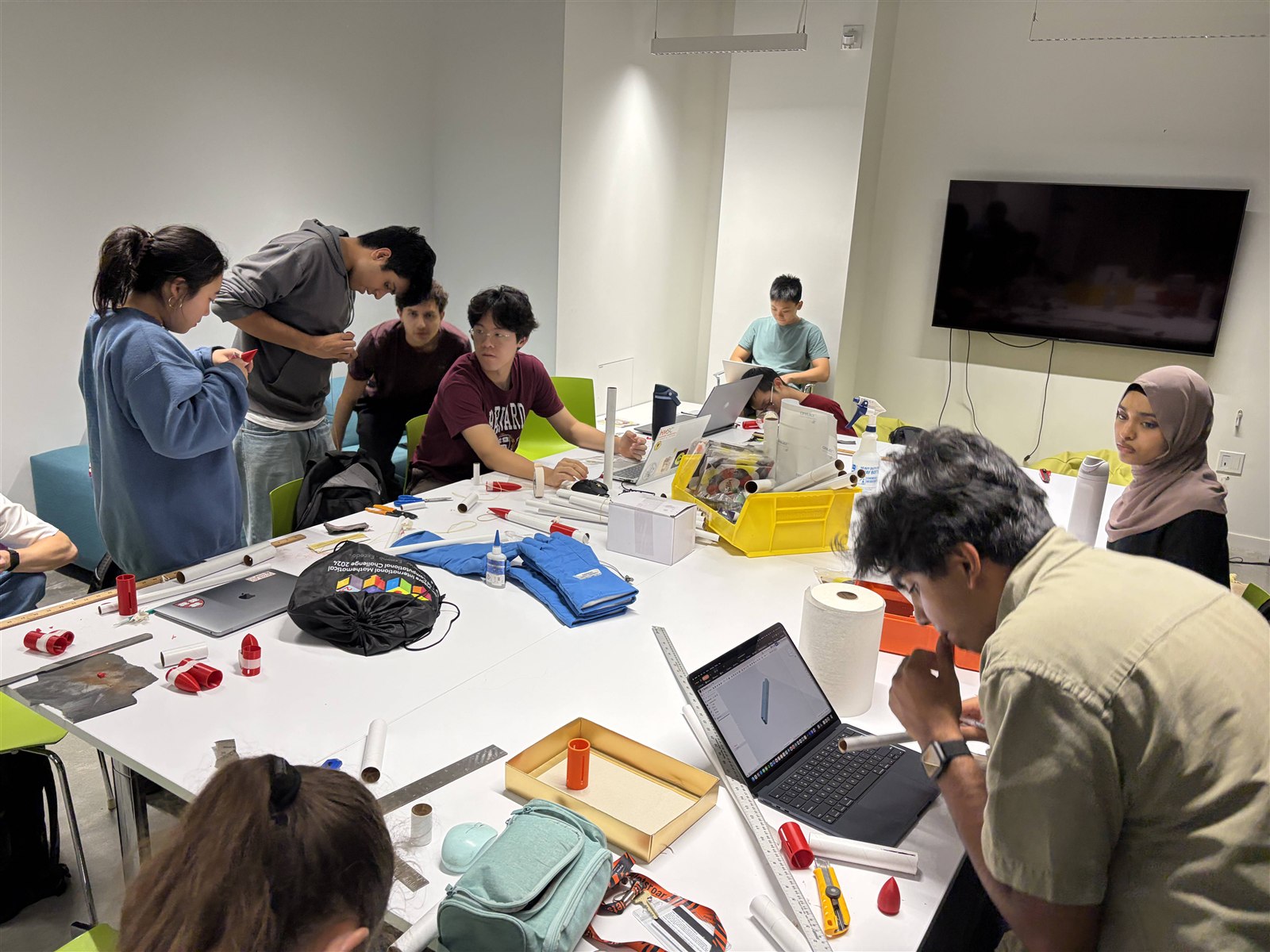
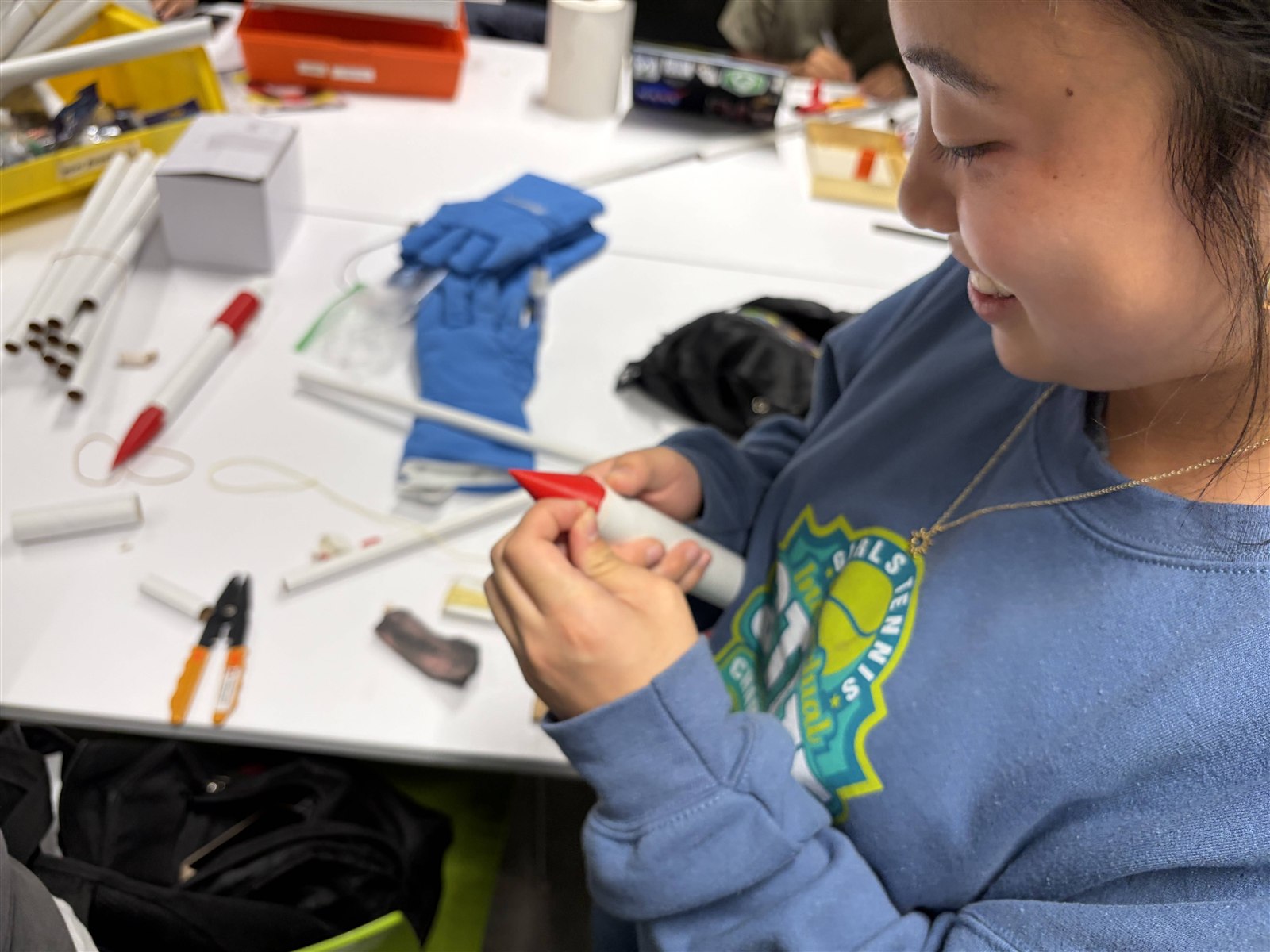
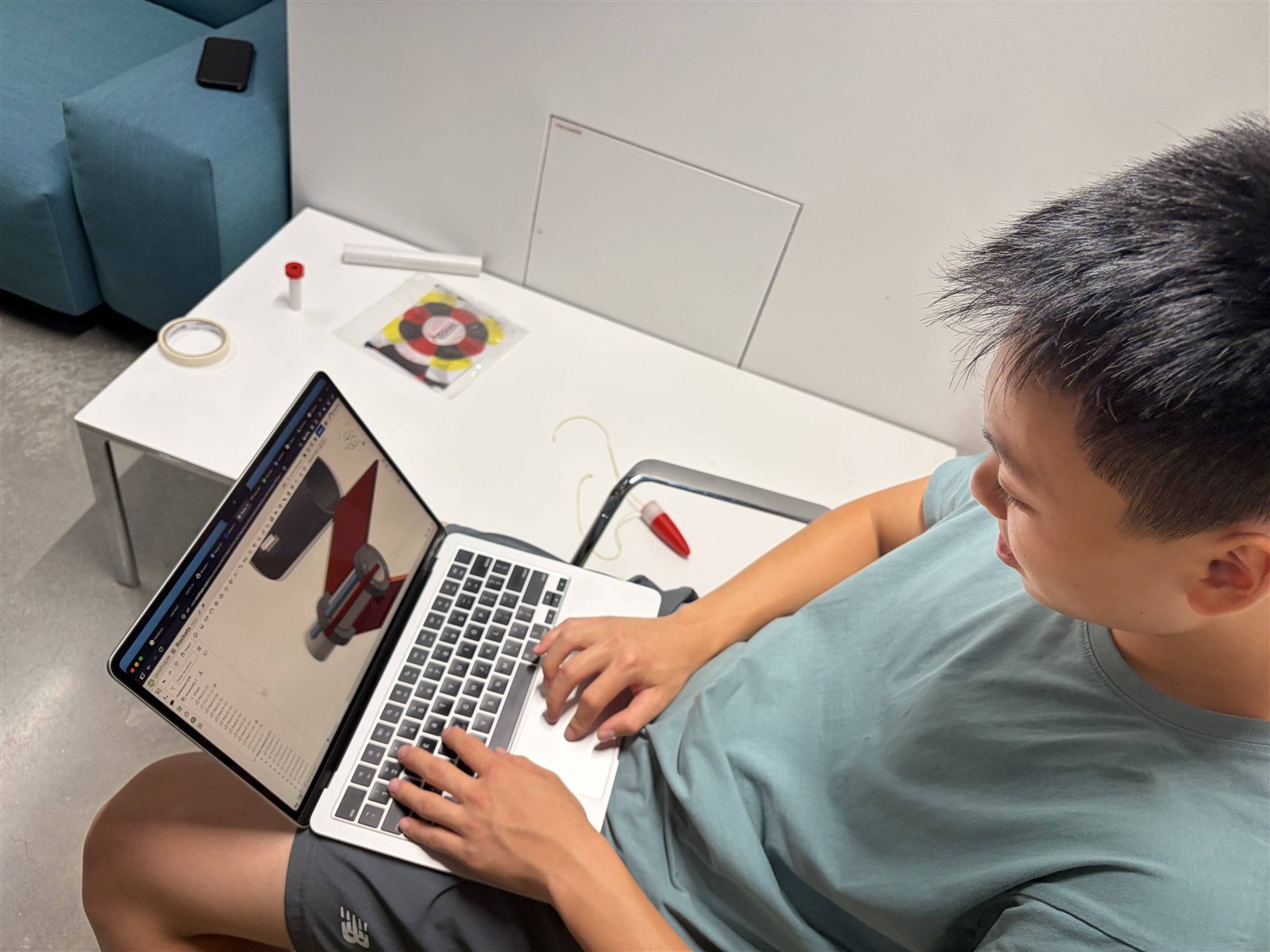
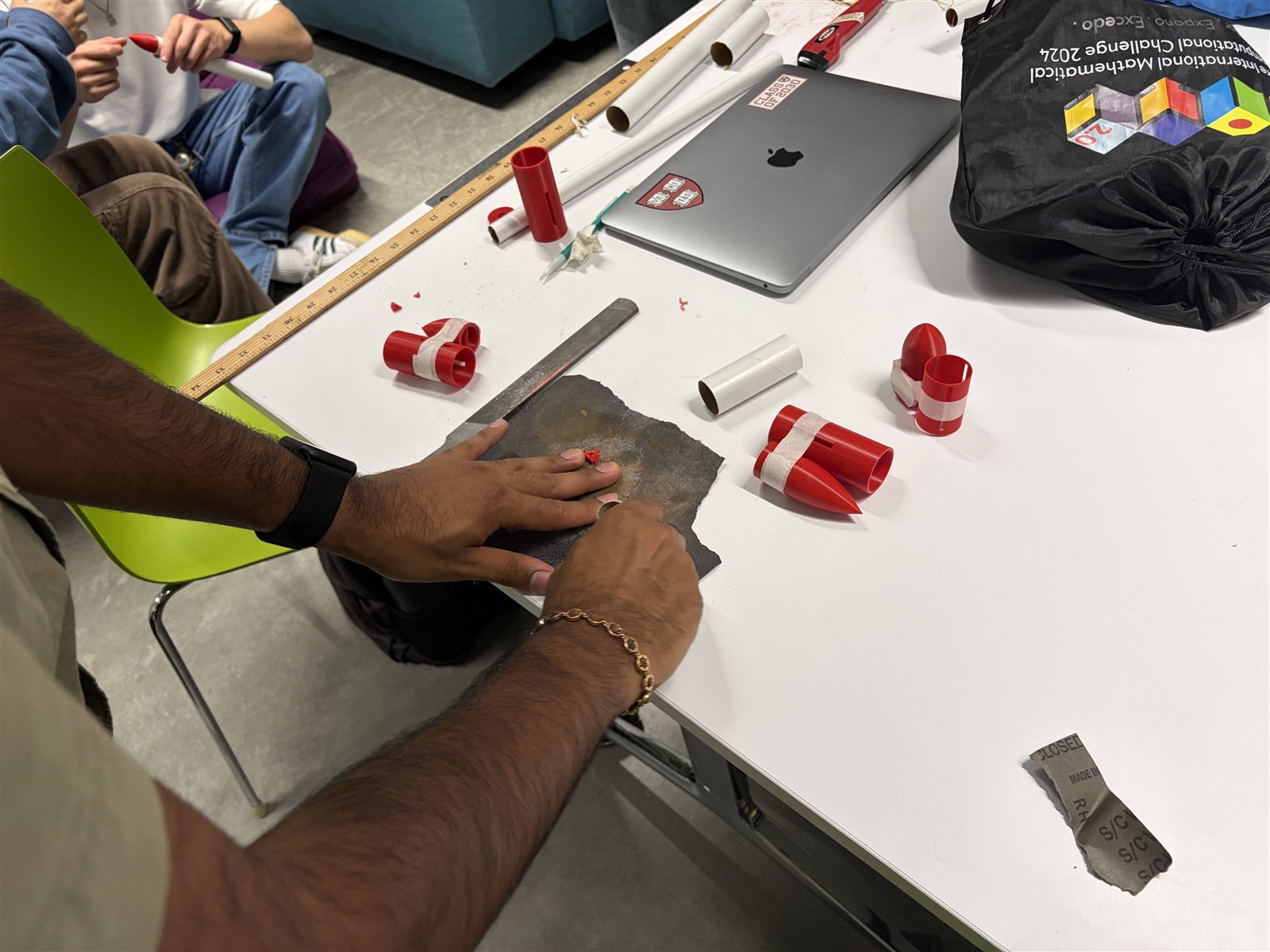
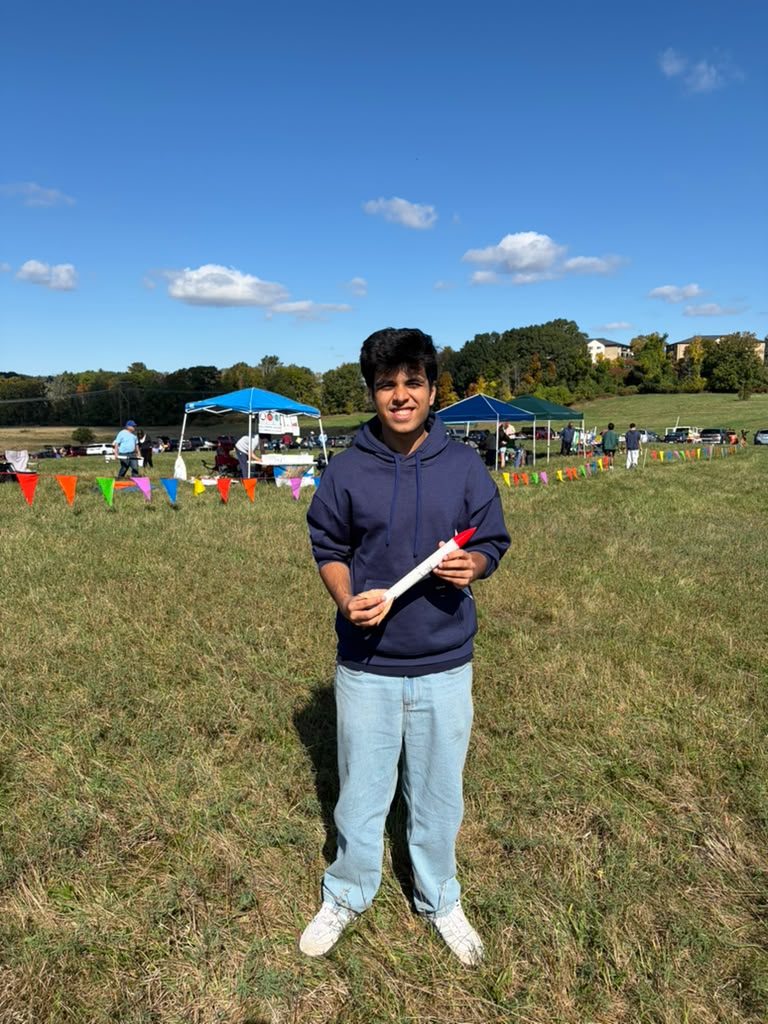
New members learn the rocket flight cycle through a hands-on model-rocket project. Students explore OpenRocket to design their vehicle, compare stability and predicted altitude, and see how fins, nose cones, mass, and motor selection affect flight.

The onboarding design uses a C6-5 motor and a 12-inch nylon parachute, with cardboard body and motor tubes, balsa fins and centering rings, and a plastic nose cone. The project introduces component design, assembly, launch preparation, and recovery before members take on larger vehicles.

Member development

High Power Rocketry Certifications

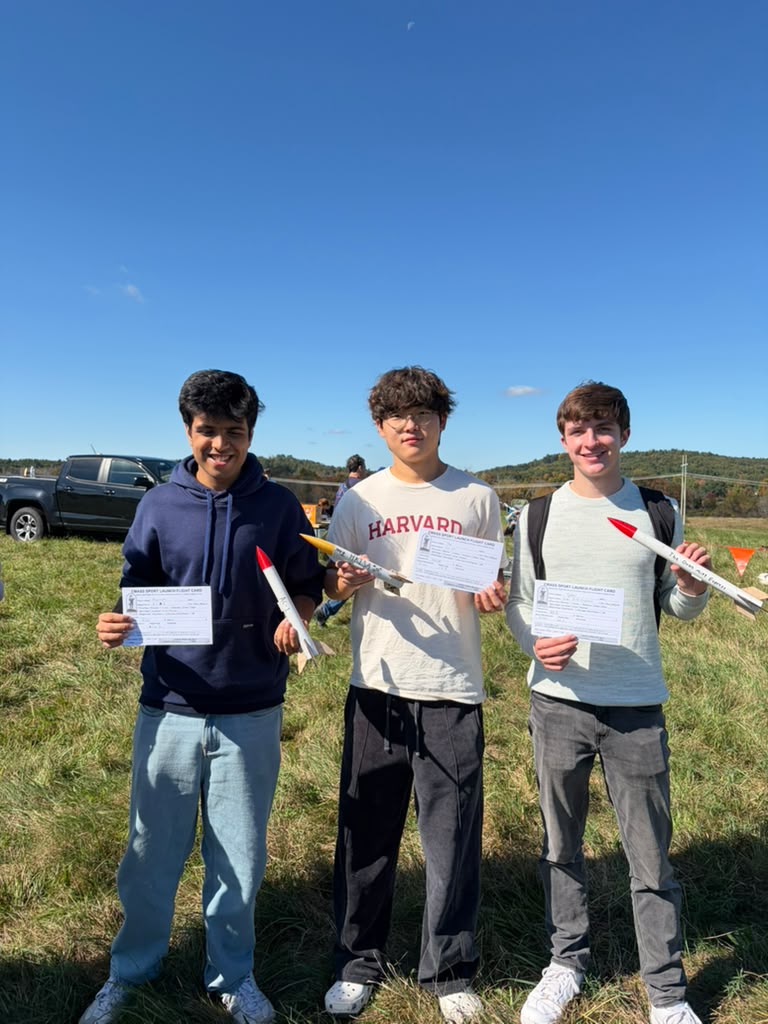
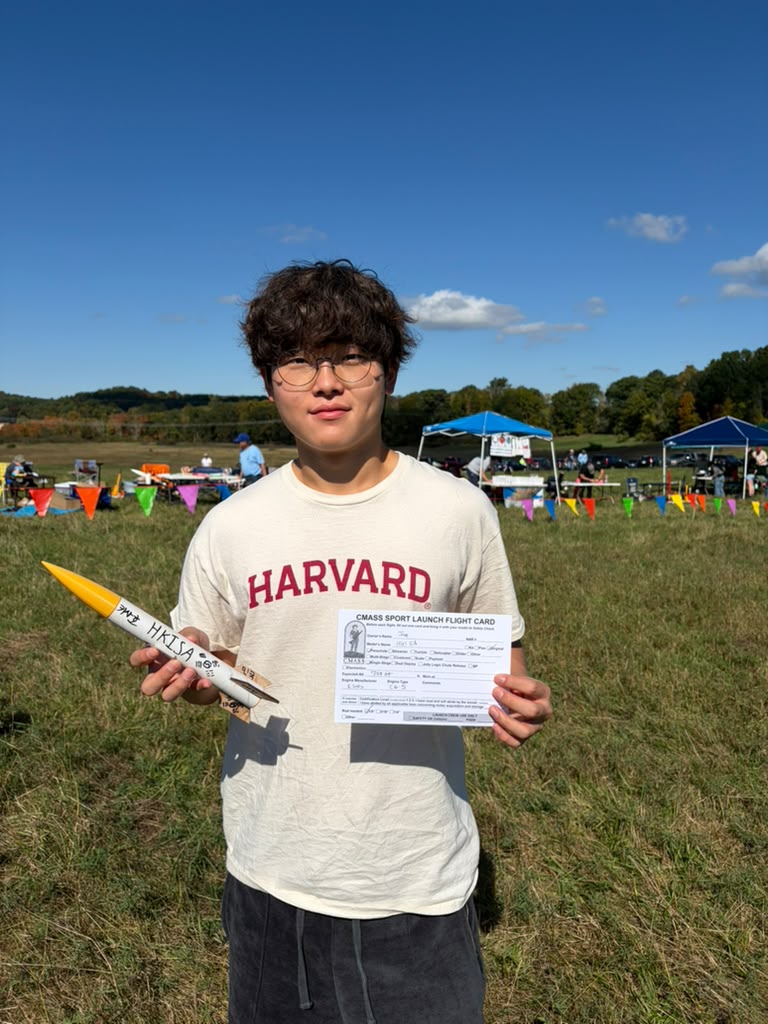
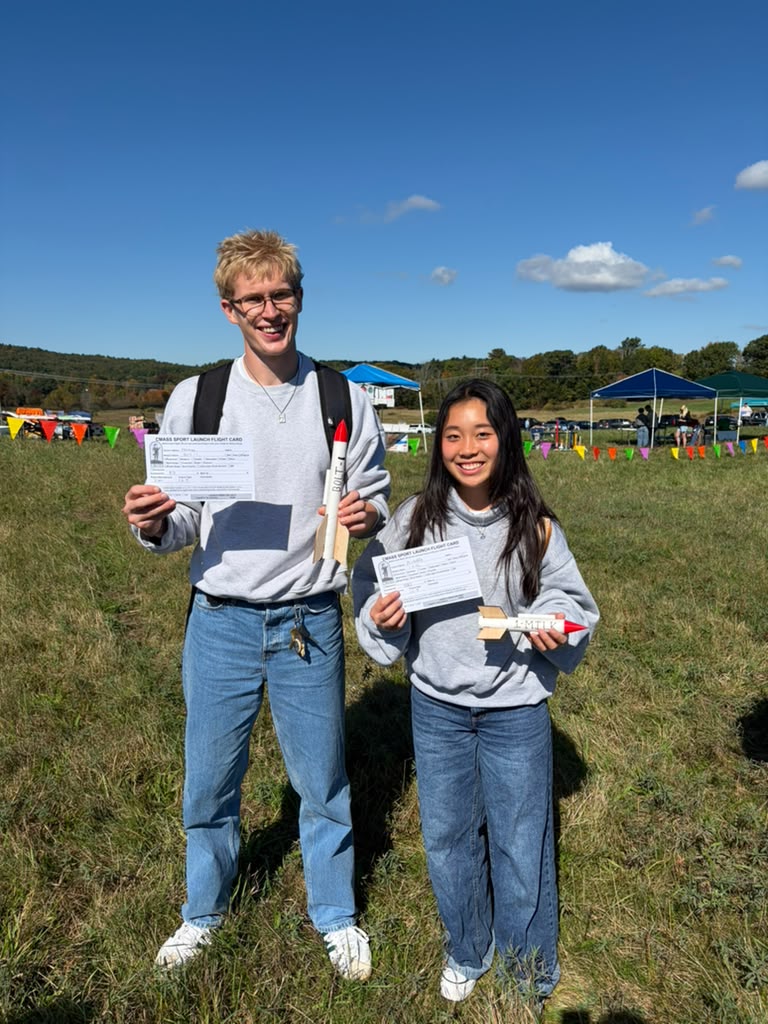
Members progress through National Association of Rocketry (NAR) high-power certification levels 1 through 3.

Certification flights provide a structured path to building and flying increasingly capable rockets while developing safe launch and recovery practices.

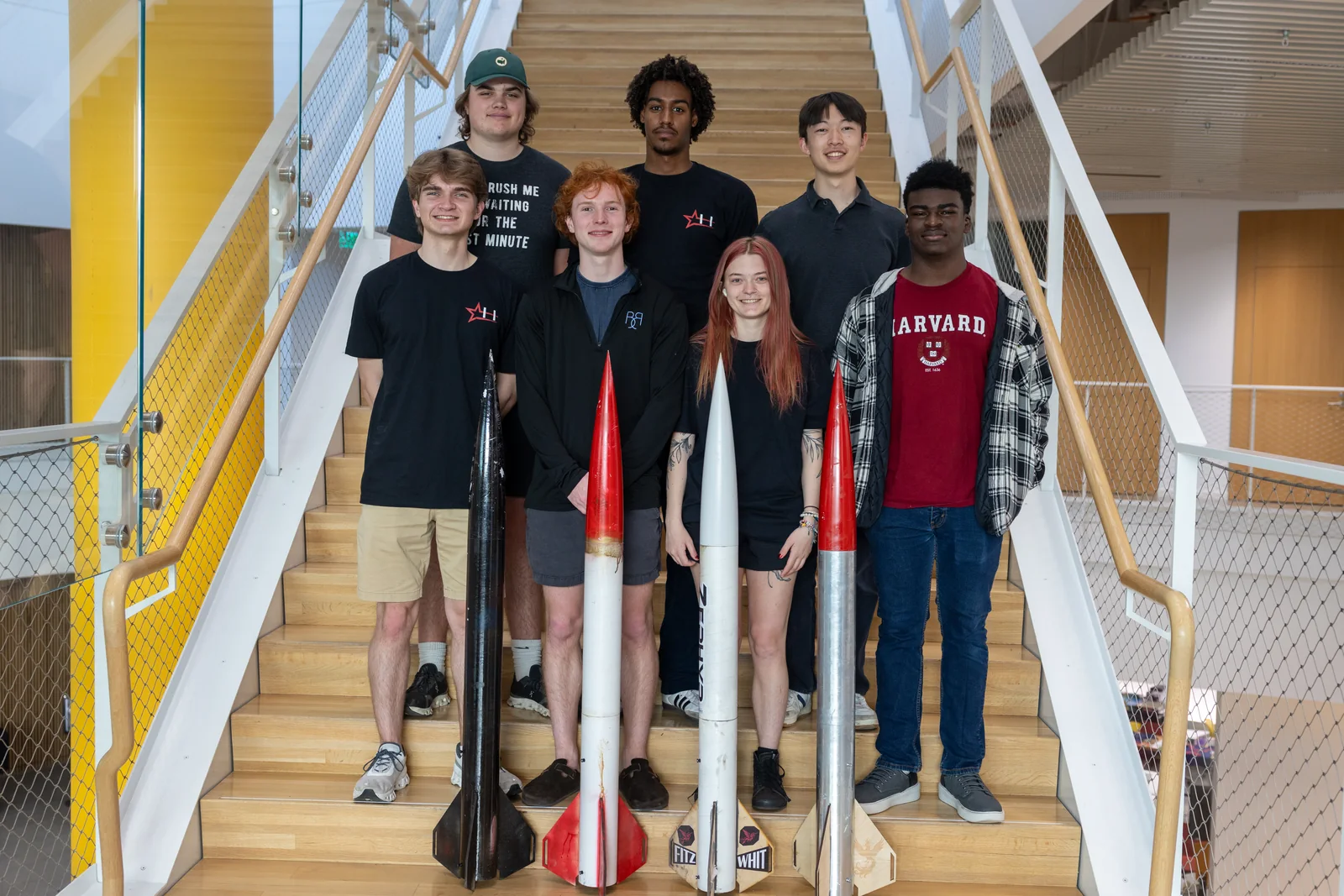
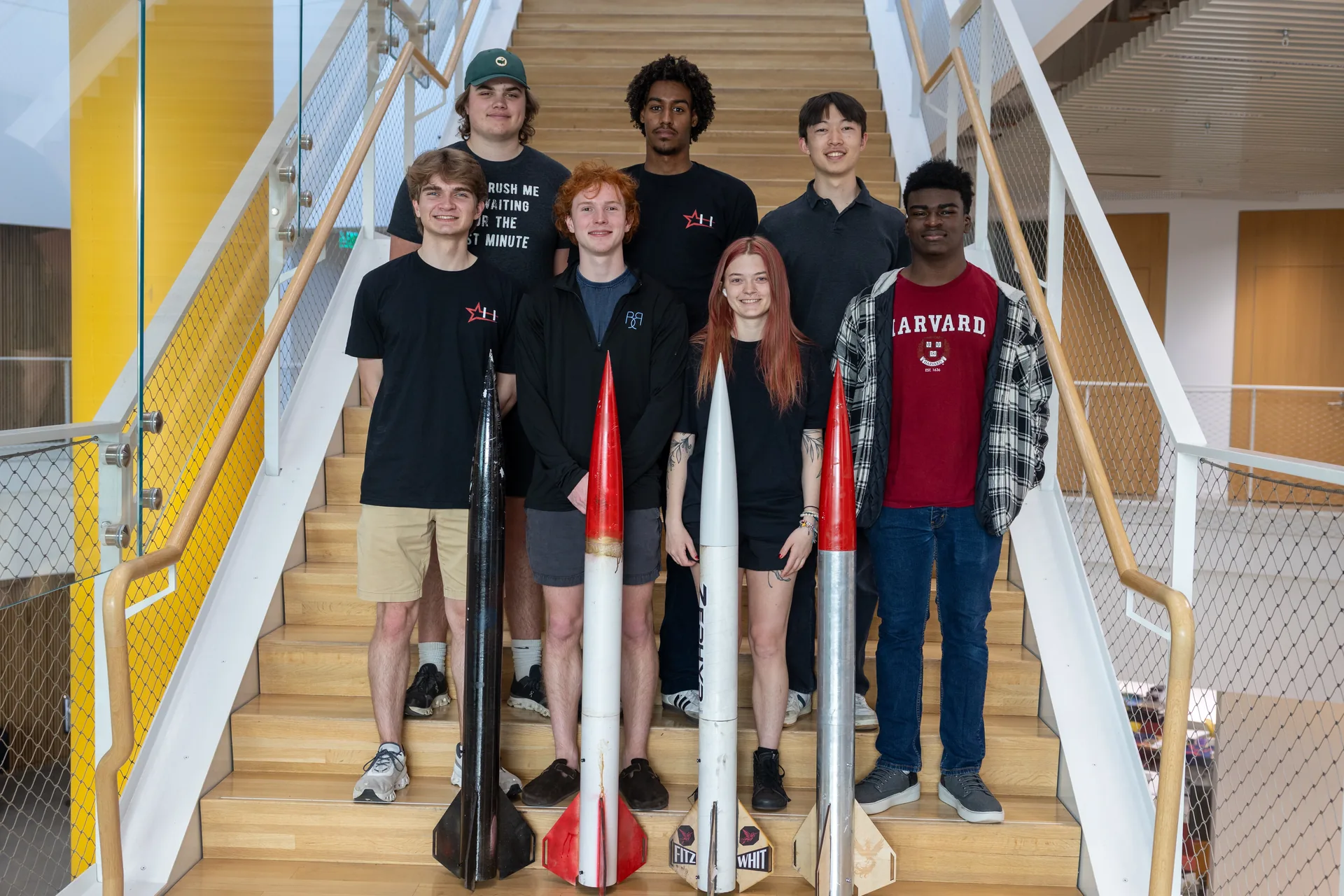
Rocketry team members with their high-power certification rockets

Rocketry Team Members Spring 2026

Rocketry Team Spring 2026